Frozen Pipes in Sparks: Stop a Hard Freeze From Becoming a Burst Pipe
Sparks winters are cold enough to freeze exposed pipes, and a burst pipe can flood a home in under an hour. Here is how to protect your pipes before December, what to do if one freezes, and when a burst pipe needs an emergency call.
Why Sparks pipes freeze
Sparks sits in the high desert at about 4,400 feet, and winter nights here are cold. January lows average 25 to 26 degrees Fahrenheit, about four months a year see lows at or below freezing, and the December to January freeze peak is when burst pipes happen. Cold air pools on the valley floor in Sparks and Spanish Springs, so low-lying streets freeze first and hardest.
Most Sparks homes are built slab-on-grade, so the water lines run in exterior walls, through the garage, or in the yard line near the surface. Those are the runs a hard freeze reaches first. Pipes in unheated spaces are at risk once outdoor temperatures stay below 20 degrees for several hours, according to S and S Mechanical, and that happens most winters here. A freeze is not a rare event in Sparks. It is a seasonal one, and it is preventable.
Prevent frozen pipes before December
Do this work in October or November, before the first hard freeze. Every step below is cheap. A burst pipe is not.
Insulate exposed pipes
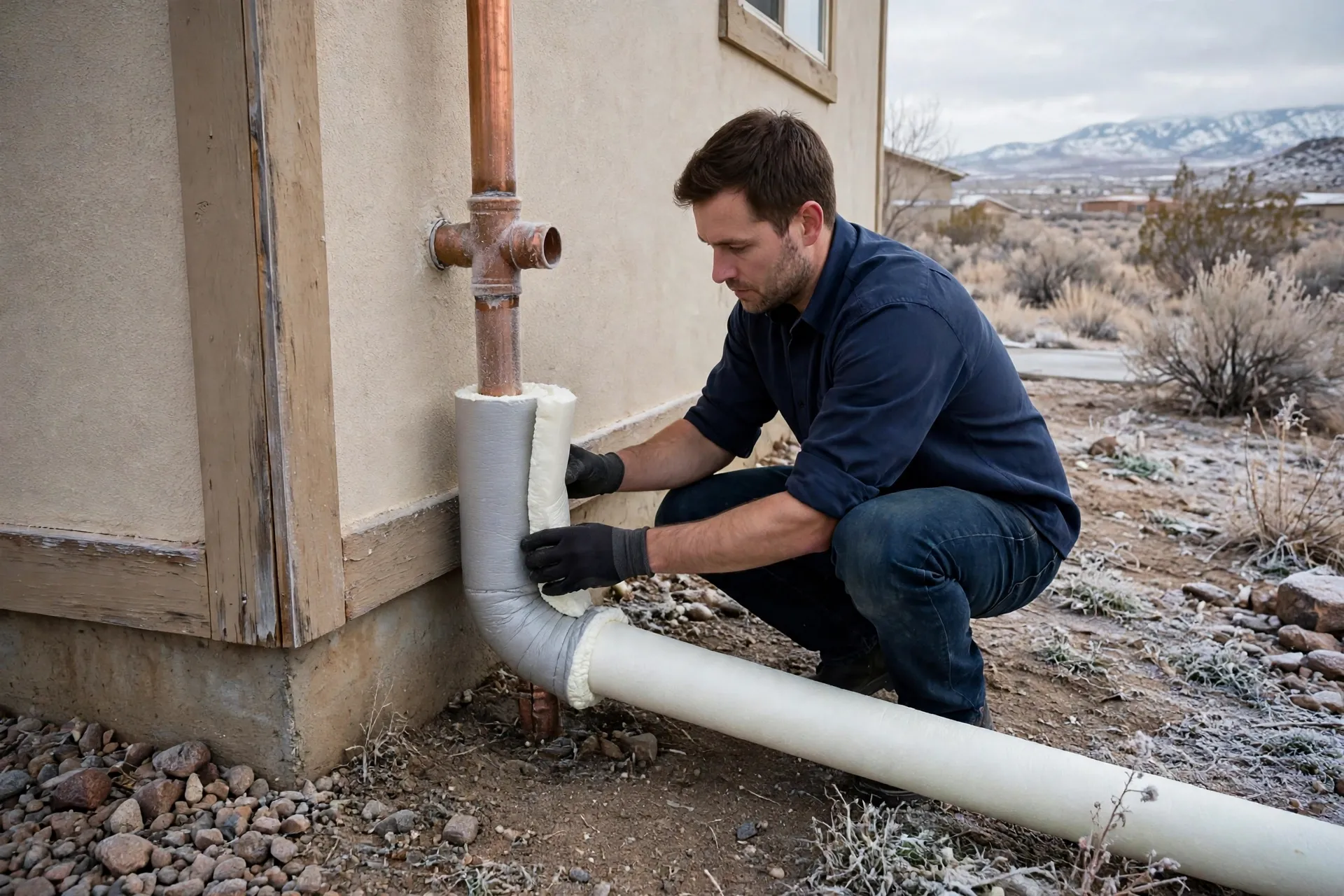
Fit foam pipe sleeves on every exposed run: pipes in the garage, crawl space, attic, and along exterior walls, plus hose bibs and the irrigation backflow preventer. Insulation does not heat a pipe, it slows the cold reaching it, and on a freezing night that delay is often enough.
Shut off outdoor water
Disconnect garden hoses, drain outdoor faucets, and shut off the water supply to outdoor taps and irrigation before the first hard freeze. A hose left connected traps water in the tap, and that trapped water is the first to freeze and split the pipe behind it.
Let a tap drip in a hard freeze
On the coldest nights, let a tap on an exterior wall drip slowly. Moving water freezes far slower than still water, and the drip relieves pressure in the line, which is what actually splits a frozen pipe. A slow drip costs a few gallons. A burst costs hundreds.
Open cabinet doors
Open the cabinet doors under sinks on exterior walls during a hard freeze, so warm room air can reach the pipes inside. This matters most overnight, when the house is coldest and nobody is running water.
Know your main shut-off valve
Find the main water shut-off valve before you need it in a hurry, and make sure everyone in the house knows where it is. If a pipe bursts, the valve is the difference between a puddle and a flood. If you are leaving the house empty over winter, shut the water off and drain the lines.
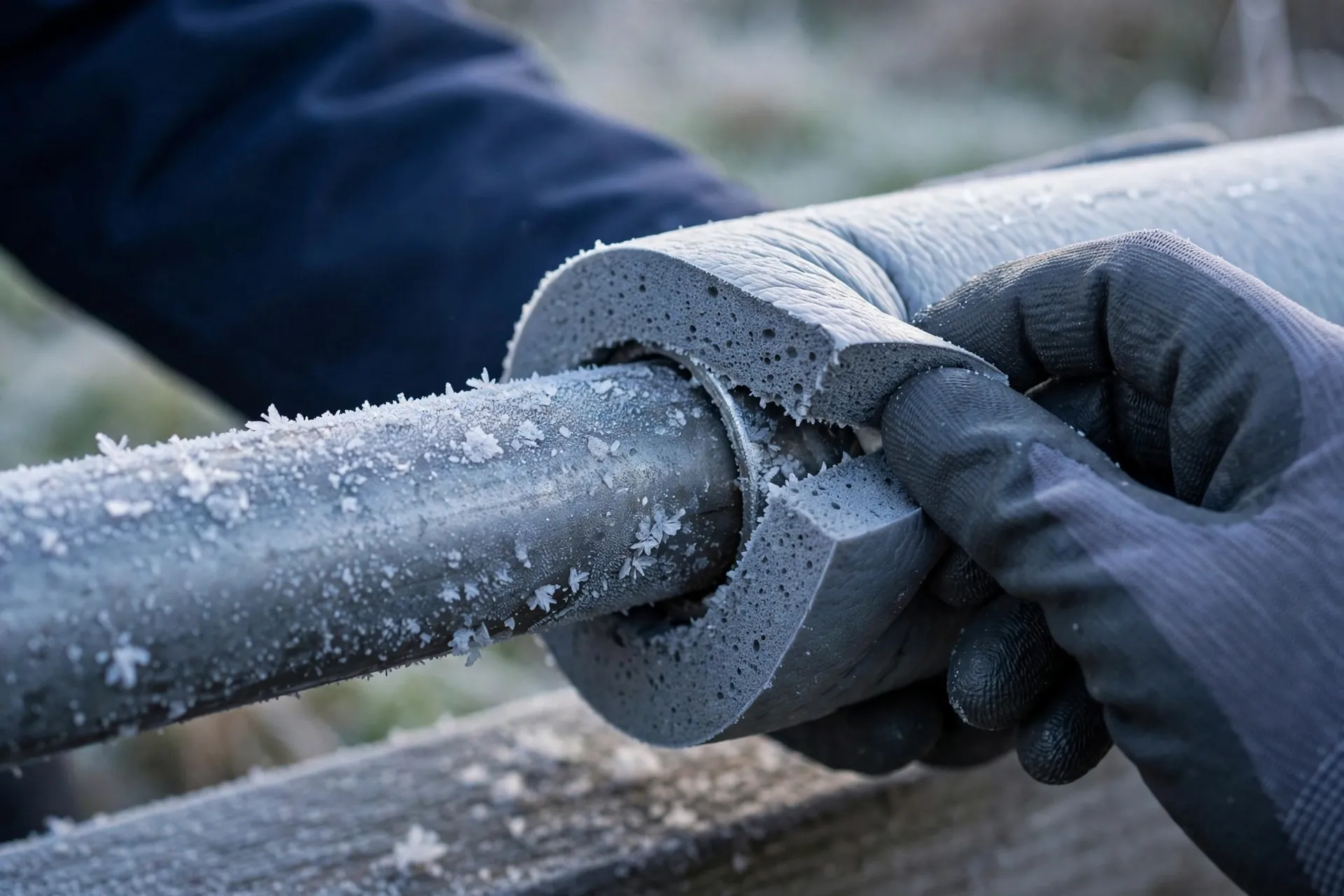
Insulation goes on the exposed runs first
Foam sleeves are the single most useful freeze protection a Sparks homeowner can fit. Start with the runs you can see and touch: the pipe at the hose bib, the backflow preventer, and any exposed run in the garage or along an outside wall. Those are the pipes that freeze first.
What to do if a pipe freezes
A frozen pipe is urgent even when nothing is leaking yet. A hard, sustained freeze can burst a pipe in as little as six to eight hours, according to Easy Rooter Plumbing, and the burst often only shows on the thaw the next day.
Shut off the water
Turn off the water at the main shut-off valve first. If the pipe has already split, this stops the flood before it starts, and it keeps pressure off the frozen section while you work.
Open the tap the pipe feeds
Open the tap the frozen pipe feeds. This gives the melting ice somewhere to go and relieves pressure in the line. If no water comes out at all, the freeze is between the tap and the main line.
Thaw gently with warm air
Warm the pipe with a hair dryer, warm towels, or a space heater placed at a safe distance, working from the tap back toward the frozen section. Go slowly. A pipe thawed too fast can split just as surely as one left frozen.
Never use an open flame
Never use an open flame, a torch, or a heat gun on a pipe. Open flame is a fire risk, and it heats one spot so fast the pipe can crack. Warm air is the safe way, every time.
If a tap still gives no water after thawing, or water shows up where it should not be once the pipe thaws, the pipe may have split. Keep the valve shut and call us. If water is coming through a wall or ceiling after a thaw, our water leak detection service finds the break so the repair opens one spot, not a whole wall.
A burst pipe is an emergency call
A burst pipe can release 10 to 12 gallons of water a minute, according to Easy Rooter Plumbing. That is hundreds of gallons in under an hour if nobody shuts the water off, and water in walls and under a slab does damage long after the flow stops. If you see water spraying, hear running water with every tap off, or find a ceiling or wall suddenly wet after a freeze, do not wait for morning.
First, shut off the water
Turn off the main shut-off valve. That stops the flow and limits the damage while help is on the way. If you cannot find the valve, call us and we will talk you through it.
Then call us
Call (775) 505-6540. We are open 8 AM - 8 PM, and emergency service is available for burst pipes. We find the break, mark the spot, and give you a written report with the location.
Move valuables out of the water, and take photos of the damage and the split pipe for your records before anything is moved or dried.
Frozen pipe questions we hear every winter
Straight answers about freezing temperatures, prevention, thawing, and burst pipes in Sparks.
At what temperature do pipes freeze in Sparks?
Water in a pipe freezes at 32 degrees Fahrenheit, but a pipe in an unheated space is at risk once outdoor temperatures stay below 20 degrees for several hours, according to S and S Mechanical. Sparks averages January lows of 25 to 26 degrees, with about four months a year seeing lows at or below freezing, and the December to January freeze peak is when most bursts happen. Cold air pools on the valley floor in Sparks and Spanish Springs, so low-lying streets freeze first.
How do I prevent my pipes from freezing?
Insulate every exposed pipe, disconnect garden hoses, shut off outdoor water before the first hard freeze, open cabinet doors under sinks on exterior walls, and let a tap drip slowly during a hard freeze. Do the work in October or November, before December cold arrives, and pay extra attention to pipes in the garage, crawl space, and attic, where cold air reaches them first. Do not forget the irrigation backflow preventer, which sits outside and freezes early.
What should I do if a pipe freezes?
Shut off the water at the main valve, open the tap the frozen pipe feeds, and thaw the pipe gently with warm air from a hair dryer or warm towels, working from the tap back toward the frozen section. Never use an open flame, a torch, or a heat gun on a pipe. If you cannot find the frozen section, or a tap still gives no water after thawing, call for help. If water appears where it should not be once the pipe thaws, the pipe may have split, so keep the valve shut and call us.
How long does it take for a frozen pipe to burst?
A hard, sustained freeze can cause a pipe to burst in as little as six to eight hours, according to Easy Rooter Plumbing, a Reno area plumbing company. The burst often does not show until the thaw the next day, when water starts flowing through the split. That is why a frozen pipe is urgent even when nothing is leaking yet. Copper bursts more easily than plastic, but both can freeze, so no pipe material is safe to ignore in a hard freeze.
How much water can a burst pipe release?
A burst pipe can release 10 to 12 gallons of water a minute, according to Easy Rooter Plumbing, which is hundreds of gallons in under an hour if nobody shuts the water off. The first move is always the main shut-off valve, then call for emergency help. Move valuables out of the water, and take photos of the damage and the split pipe for your records before anything is moved or dried.
Where do pipes freeze first in a Sparks home?
Pipes freeze first in garages, crawl spaces, attics, and exterior walls, and at hose bibs and irrigation backflow preventers, according to All Hours Air and S and S Mechanical. These are the spots where cold air reaches the pipe directly. In slab-on-grade Sparks homes, the lines in exterior walls and the yard line near the surface are the most exposed, and homes in higher, more exposed areas such as Wingfield Springs freeze earlier in the season.
When a freeze turns into a leak
Water Leak Detection
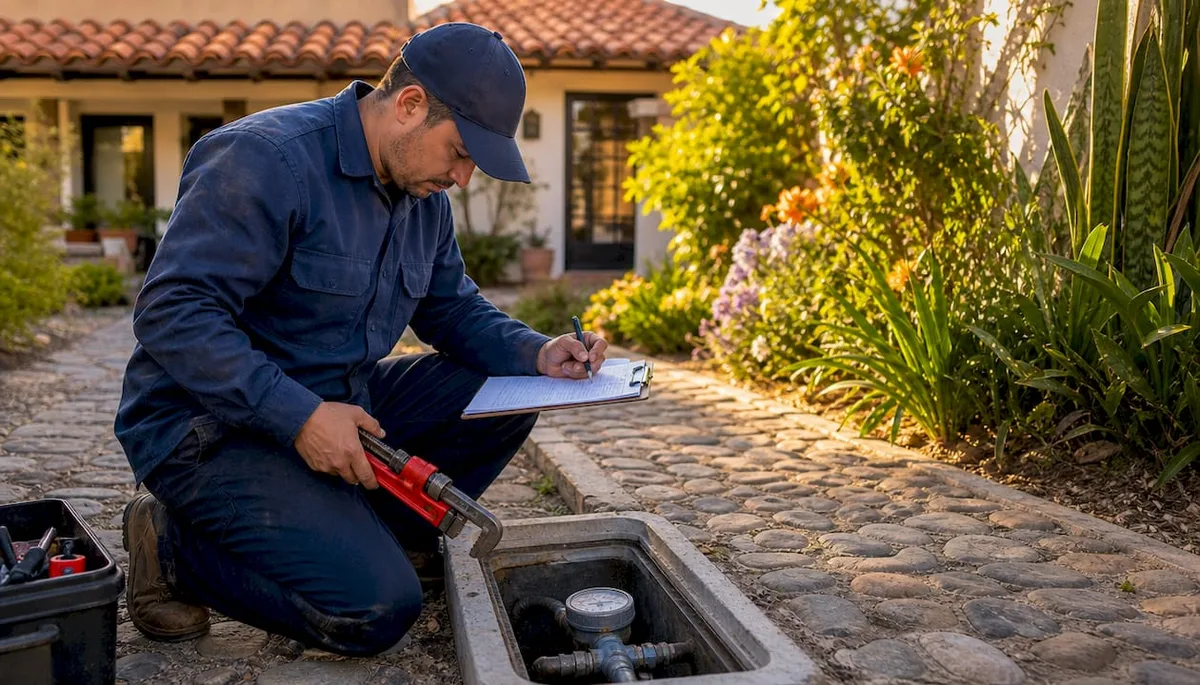
When a pipe thaws and water shows up in a wall or ceiling, our water leak detection service finds the break with acoustic listening and thermal imaging, so the repair opens one spot.
Learn more →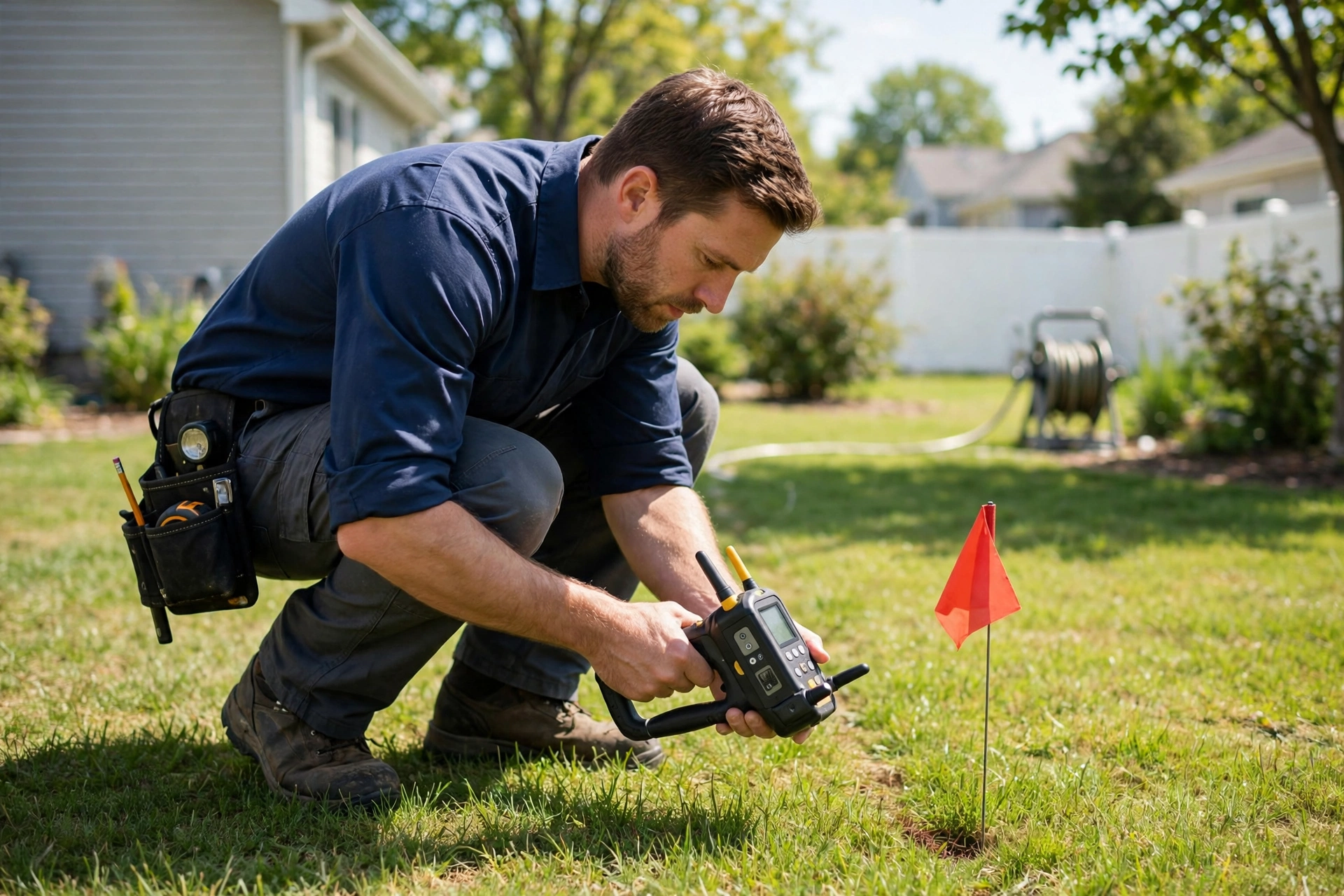
Underground Leak Detection
A freeze can split the yard line between the meter and the house, and the leak may only show as a wet patch or a high bill after the thaw. Our underground leak detection service covers that run.
Learn more →Areas we serve
Serving Sparks & Surrounding Areas · Based in Sparks, NV. Seven neighborhood areas, matched to the ZIP codes where our service is focused. If your street sits between two areas below, you are still in Sparks. Call and give us your ZIP.
Central Sparks →
Downtown Sparks, Victorian Square, and Greenbrae. Older housing stock, where original plumbing is now at its highest-risk age.
Spanish Springs →
Including Los Altos. Larger lots, longer yard lines.
Wingfield Springs →
Higher and more exposed, the freeze-risk area we watch most closely in December and January.
Kiley Ranch →
Newer master-planned homes, now old enough for first-generation fitting and water heater failures.
D'Andrea →
Including Pioneer Meadows and Stonebrook edges. Hillside lots, where yard leaks can travel before surfacing.
Sparks Marina →
Around the marina and its surrounding streets, in Sparks, NV 89431.
East Sparks →
East Sparks and the Vista Boulevard area, including Stonebrook.
ZIP codes in our core service area
Serving Sparks, NV and Washoe County, in Sparks, NV 89431. We name only the areas we actually serve on this page.
Not sure if we cover your street? Call (775) 505-6540 and give us your ZIP code.
A burst pipe cannot wait. Call now.
If a pipe has burst or a tap gives no water after a freeze, shut off the main valve and call (775) 505-6540. We find the break, mark the spot, and give you a written report. Open 8 AM - 8 PM. Emergency service available.