
Insurance Checklist for a Leak in Sparks: What to Do Before You Repair Anything
A leak is stressful enough without a denied claim. Work this checklist in order, keep every paper it names, and call your insurer before any repair starts. Nothing here promises coverage: every policy is different, and only your insurer can say what yours pays for.
Why the checklist comes before the repair
Most leak claims are decided by two things: whether the leak was sudden or slow, and whether you can prove it with dated papers. A pipe that bursts overnight is treated very differently from a drip that has run for months, and an insurer will ask for proof either way. Photos taken after the repair, bills thrown away, and a verbal promise nobody wrote down are the three things that sink claims most often.
This guide is a checklist of steps, not an answer to whether your leak is covered. This page tells you what to do, in what order, and which papers to keep, so that when you do talk to your insurer, you have everything in hand.
Insurance checklist: 8 steps, in order
Work the steps in order. Steps 1 to 4 take an hour. Step 5 is the call that protects the claim. Do not skip ahead to the repair.
Stop the water
Close the main shut-off valve where the water line enters the house. If water is near power outlets or the breaker panel, stay clear of the water and call for help instead of wading in.
Photograph and video everything, before you move or clean anything
Take wide shots of each wet room, then close-ups of the wettest spots, the stain, and any damaged floor, wall, or ceiling. Make sure the date stamp is on. Video the sound of running water if you can hear it. Photos taken after cleanup prove far less.
Write down your meter readings and the dates
Read the meter at the curb, note the reading and the date, and run the TMWA meter test. A reading that moves with everything off proves water was flowing, and the dates prove when it started. Keep the readings in the same folder as the photos.
Pull your last two TMWA bills
Your last two TMWA bills show your normal use next to the leak. A sudden jump with no change in habits is the paper that backs up your claim that the leak was sudden, not slow. Download or print them now, while they are easy to find.
Call your insurer before any repair
Call your insurer before any repair work starts. Ask for a claim number, the name of the adjuster, and every instruction in writing. The insurer may want to send an adjuster to see the damage before it is fixed, and repairs done first can be harder to claim.
Get the leak found, and ask for the plumber's written report
Once the insurer has had its look, or has told you in writing that you can proceed, get the leak found. Ask for a written report that states where the leak is, what caused it, and what was opened to reach it, with photos. That report is the paper your claim stands on.
Get the repair quote in writing
Get a written quote that lists what will be opened, what will be fixed, what will be put back, and the price for each part. Compare it with typical costs for the work; see our leak detection cost guide for Sparks. Do not sign a blank or open-ended work order.
Keep every paper in one folder until the claim closes
Put the photos, the meter readings, the TMWA bills, the plumber's written report, the repair quote, every receipt, and your notes of every call in one folder, paper or digital. Get every promise in writing. Do not throw anything away until the claim is fully closed and paid.
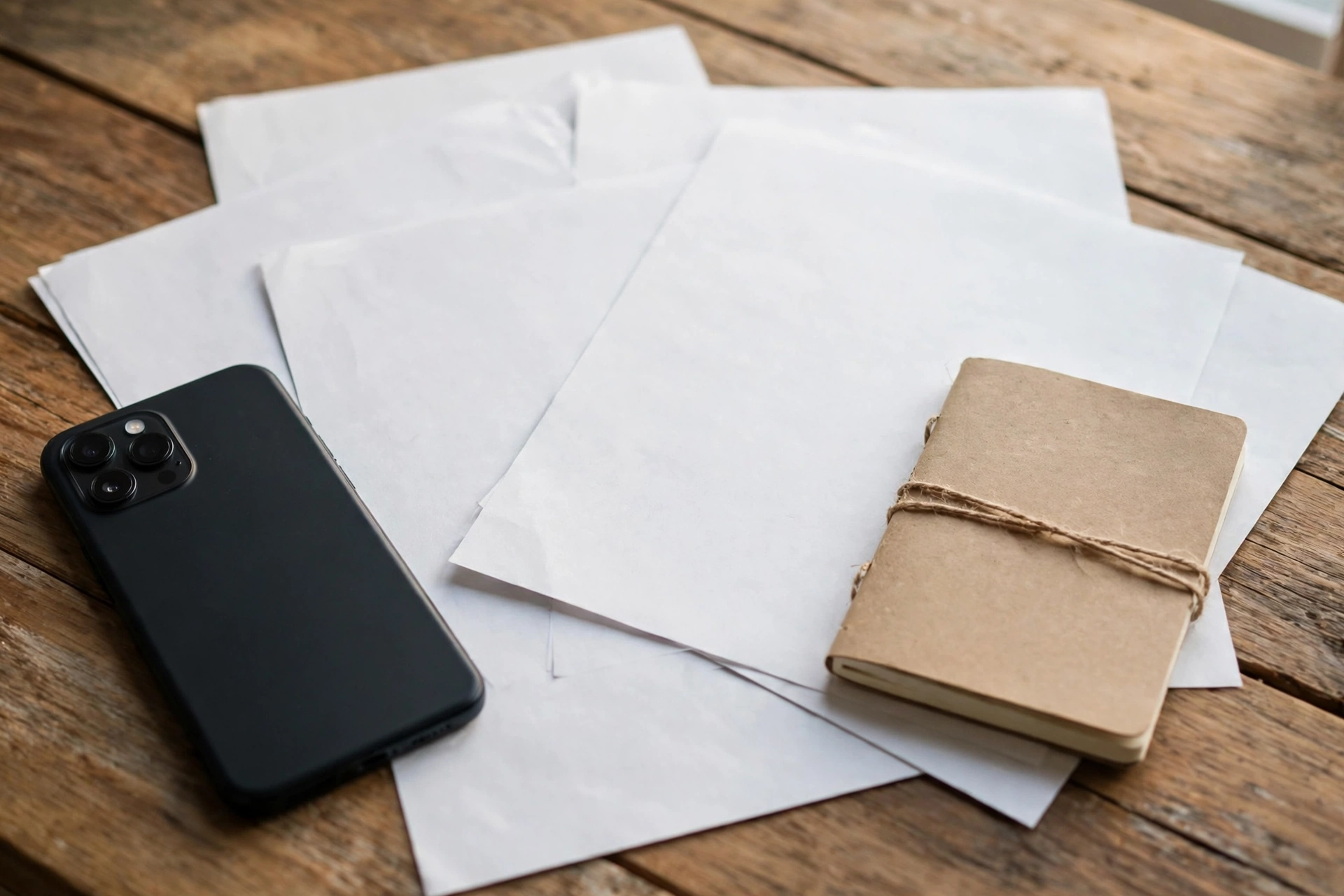
One folder, everything in it
The whole checklist fits in one folder: photos, meter readings, TMWA bills, the plumber's written report, and the repair quote. If a paper is missing when the adjuster asks for it, the claim waits. If it is in the folder, the claim moves.
Every paper to keep, in plain words
No vague word like documentation. These are the exact papers. If you have these six, you have a claim file.
Photos of the damage
Dated photos and video of every wet room, taken before you move or clean anything. Wide shots first, then close-ups of the wettest spots and any damaged floor, wall, or ceiling.
Your meter readings
The meter reading and the date you took it, plus the result of the TMWA meter test. A reading that moves with everything off proves water was flowing, and the dates prove when it started.
Your TMWA bills
Your last two TMWA bills, showing normal use next to the leak. A sudden jump with no change in habits backs up that the leak was sudden, not slow.
The plumber's written report
A written report from the plumber stating where the leak is, what caused it, and what was opened to reach it, with photos. Ask for it in writing on the day of the visit, not from memory later.
The repair quote
A written quote listing what will be opened, what will be fixed, what will be put back, and the price for each part. No blank or open-ended work orders.
Receipts and call notes
Every receipt for drying, cleanup, and repair, plus a note of every call: the date, the name of the person you spoke to, and the claim number. The EPA advises drying water-damaged areas within 24 to 48 hours, so keep the drying receipts too.
What insurance typically covers, and what it does not
This is the usual pattern in a standard homeowners policy. It is not a promise about your policy. Read your own policy and ask your insurer in writing.
Typically covered
Damage to floors, walls, and ceilings caused by a sudden leak. The cost of opening a wall or floor to reach the leak, and the detection visit that finds it. Drying out the wet area after the leak is stopped.
Typically not covered
Repair or replacement of the failed pipe itself. Damage from a leak that ran for weeks or months unnoticed, which insurers call long-term seepage. Water that comes in from outside, like flooding, which usually needs a separate flood policy. Wear and tear and poor maintenance.
The line between covered and not covered is usually sudden versus slow. TMWA has documented a yard-line leak running 800,000 to 900,000 gallons in a month for four months without surfacing. A leak can run a long time before anyone sees it, which is why dated meter readings and bills matter so much to a claim.
Call your insurer before the repair, and get everything in writing
Repairing first and calling second is the most common mistake in a leak claim. The insurer may want to send an adjuster to see the damage before it is fixed, and once a wall is closed up again, that look is gone. Stop the water, take the photos, write down the meter readings, then call.
When you call, ask for four things and write them down: your claim number, the name of your adjuster, what the insurer needs from you, and whether you can start the repair. If the answer is yes, ask for that yes in writing, by email or in the claim notes, before work starts. A verbal yes that nobody wrote down is hard to prove later.
If the insurer says no to something, ask for that no in writing too, with the exact policy wording it relies on. You can contact the Nevada Division of Insurance if you disagree with a decision and want help understanding your options.
Insurance checklist questions we hear every week
Straight answers about leak claims, what to keep, and when to call your insurer.
Does homeowners insurance cover a water leak in Sparks?
Usually it covers the water damage, not the broken pipe. A standard homeowners policy typically pays to repair the damage a sudden leak causes to floors, walls, and ceilings, and to open a wall or floor to reach the leak, but it usually does not pay to repair or replace the failed pipe itself. Every policy is different, so read your own policy and ask your insurer in writing before you spend anything. The key word is sudden: a pipe that bursts overnight is treated very differently from a leak that has been dripping for months.
What is the difference between a sudden leak and long-term seepage?
A sudden leak starts fast, like a pipe that bursts or a supply hose that splits, and the damage shows up right away. Long-term seepage is a slow drip that runs for weeks or months, often with stains that grow and mold that follows, and insurers usually do not cover damage from a leak that went unnoticed that long. TMWA has documented a yard-line leak running 800,000 to 900,000 gallons in a month for four months without surfacing, which shows how long a hidden leak can run, so check your meter early with the TMWA meter test.
Should I call my insurer before I repair the leak?
Yes, call your insurer before any repair work starts. The insurer may want to send an adjuster to see the damage before it is fixed, and repairs done first can be harder to claim. Ask for a claim number, the name of the adjuster, and every instruction in writing. If water is still running, stop it at the main shut-off valve first and take your photos, then call. Never sign a repair contract that starts work before the insurer has had its look.
What papers should I keep for a leak claim?
Keep dated photos and video of the damage, your meter readings with the dates you took them, your last two TMWA bills, the plumber's written report, the repair quote in writing, and every receipt for drying and cleanup. Also keep a note of every call: the date, the name of the person you spoke to, and the claim number. About 20 percent of toilets leak slightly, according to TMWA, so keep the toilet test results too if a toilet was the cause. A claim with dated papers moves faster than a claim built from memory.
Does insurance pay for leak detection?
Often it pays for the cost of finding and reaching the leak, but not for fixing the pipe. Many policies cover the work to open a wall or floor and the detection visit that locates the leak, because that is part of reaching the damage, while the repair or replacement of the failed pipe itself is usually excluded as maintenance. This varies by policy, so ask your insurer in writing whether detection and access are covered before the visit. Keep the plumber's written report, because it is the paper that shows what was found and why the wall had to be opened.
What if my insurance claim is denied?
Ask for the denial in writing, with the exact policy wording it relies on, and read that wording against your own policy. Check the dates on your photos, meter readings, and bills, because a denial based on long-term seepage can sometimes be answered with dated proof that the leak was sudden. If you still disagree, contact the Nevada Division of Insurance, which helps Nevada homeowners understand their options. Keep every paper until the claim is fully closed, and do not throw anything away.
When the checklist points to a leak
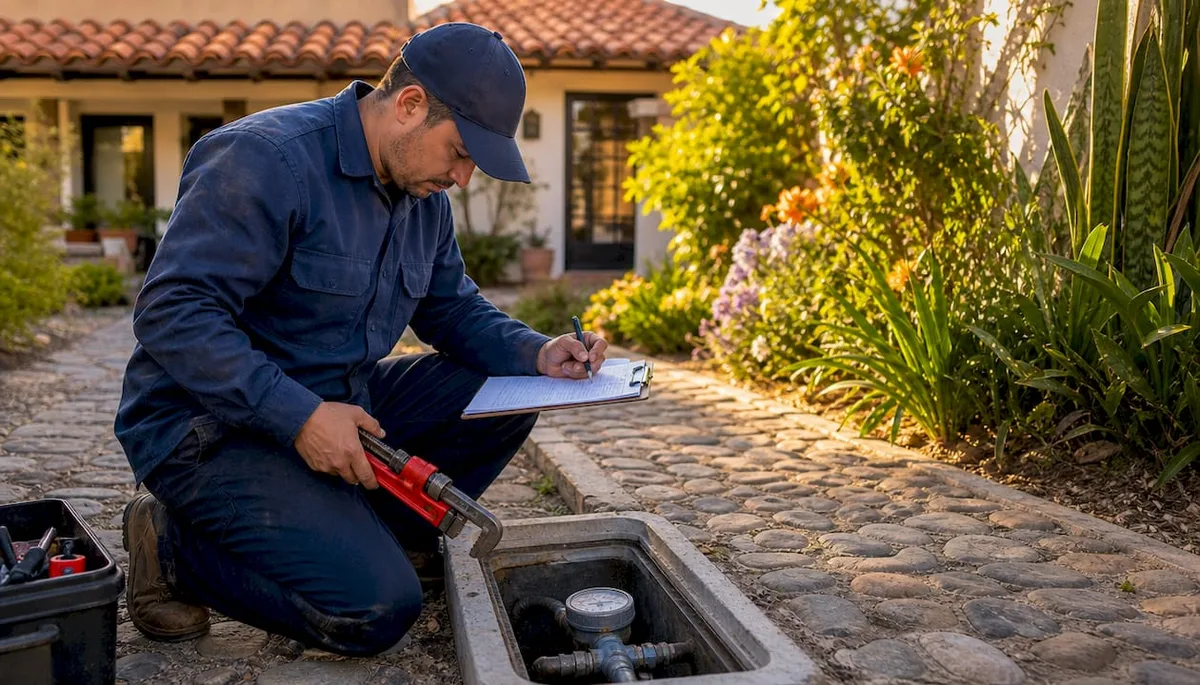
Water Leak Detection
When the meter says water is flowing but you cannot see where, our water leak detection service tracks it behind walls, under sinks, and in ceilings, and gives you the written report your claim needs.
Learn more →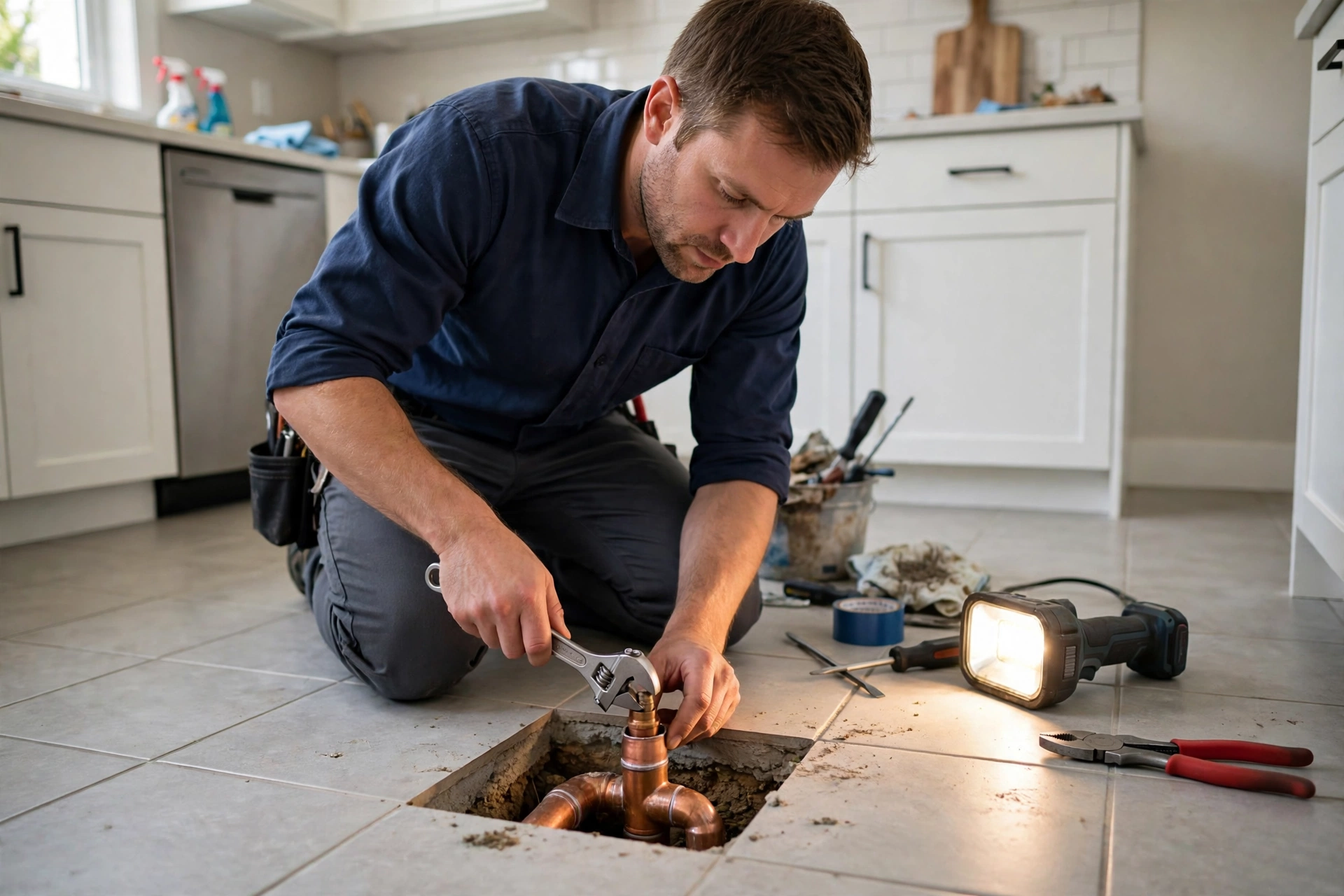
Slab Leak Detection
If the leak is under the concrete slab, our slab leak detection service finds the exact spot with acoustic listening and thermal imaging, so only that spot is opened, and the report shows the insurer what was found.
Learn more →Areas we serve
Serving Sparks & Surrounding Areas · Based in Sparks, NV. Seven neighborhood areas, matched to the ZIP codes where our service is focused. If your street sits between two areas below, you are still in Sparks. Call and give us your ZIP.
Central Sparks →
Downtown Sparks, Victorian Square, and Greenbrae. Older housing stock, where original plumbing is now at its highest-risk age.
Spanish Springs →
Including Los Altos. Larger lots, longer yard lines.
Wingfield Springs →
Higher and more exposed, the freeze-risk area we watch most closely in December and January.
Kiley Ranch →
Newer master-planned homes, now old enough for first-generation fitting and water heater failures.
D'Andrea →
Including Pioneer Meadows and Stonebrook edges. Hillside lots, where yard leaks can travel before surfacing.
Sparks Marina →
Around the marina and its surrounding streets, in Sparks, NV 89431.
East Sparks →
East Sparks and the Vista Boulevard area, including Stonebrook.
ZIP codes in our core service area
Serving Sparks, NV and Washoe County, in Sparks, NV 89431. We name only the areas we actually serve on this page.
Not sure if we cover your street? Call (775) 505-6540 and give us your ZIP code.
Photos taken, insurer called, leak found. That is the order that protects a claim.
If you have a leak and the papers are in order, the next step is finding it. We find the leak with acoustic listening and thermal imaging, mark the spot, and give you a written report. Open 8 AM - 8 PM. Emergency service available.