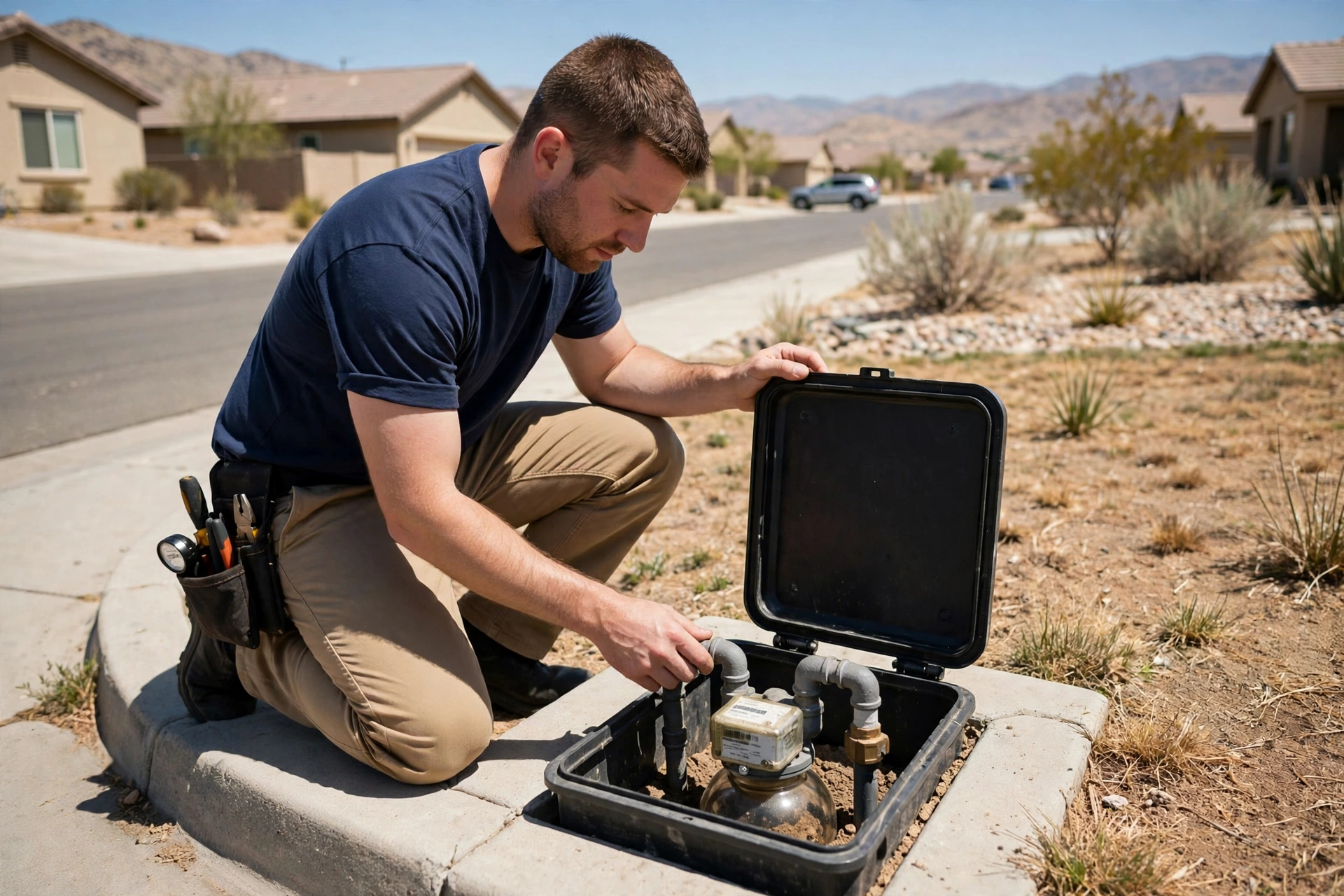
High Water Bill in Sparks? Find the Leak Behind It
A bill that jumps with no change in habits is the number one reason Sparks homeowners call us. Most of the time it is a hidden leak, running day and night where you cannot see it. We test your meter, find the leak, and give you a written report with the location.
A bill that jumps is a leak until the meter says otherwise
Your TMWA bill arrives and it is far higher than last month, but nothing changed. Nobody new moved in, the habits are the same, and the yard looks the same. That is the pattern of a hidden leak: water leaving the system around the clock, billed every gallon, with nothing to see. TMWA states that you are responsible for the water usage at your home or business, even if that usage is from a leak, so a leak found in week one costs far less than the same leak found in month four.
This page is the service page, not the explainer. Our blog post about why a bill goes up covers the background. Here is what we do when your bill jumps: we test the meter, narrow the leak to inside or yard line, find it with acoustic listening and thermal imaging, mark the spot, and hand you a written report. If you want to check the meter yourself first, the full step by step test is in our TMWA meter test guide.
Judge your bill against the TMWA numbers
Every figure below comes from TMWA or the EPA, not from us. Pull out your last two bills and compare.
About 6,000 gallons a month
Winter indoor use of a family of four, according to TMWA. If your winter use is far above that with no change in habits, a leak is the first thing to check.
More than 12,000 gallons a month
The level the EPA points to as a sign of a serious leak for a family of four in winter, when irrigation is off or minimal.
More than 8,500 gallons a month
What a toilet leaking 1 gallon every 5 minutes adds. About 20 percent of toilets leak slightly, and the flapper is the most common indoor leak, according to TMWA.
800,000 to 900,000 gallons a month
TMWA's documented yard-line leak, running about 20 gallons a minute for four months, never surfacing, with a bill that would have passed $10,000. Another leak under a deck registered 300,000 gallons a month against a 6,000-gallon average, with no visible puddles.
Sources: TMWA, Facts About Leaks (tmwa.com), and EPA WaterSense. No bill-adjustment or leak-credit policy from TMWA was found, so we do not claim one exists.
Where a high bill usually comes from
Four places account for almost every bill jump we see in Sparks. Check them in this order, cheapest first.
Toilet flapper
The most common indoor leak, according to TMWA, and the cheapest to rule out. Put a few drops of food coloring in the tank, wait 15 to 30 minutes without flushing, and check the bowl for color. If color shows up, the flapper is leaking around the clock. About 20 percent of toilets leak slightly.
Irrigation valve or line
A valve that never fully closes can run all night and never show a puddle. In summer, turn the irrigation off for a day and run the meter test. If the meter still moves with the sprinklers off, the leak is not the irrigation. Look for one zone that stays green while the rest dries out.
Yard line, meter to house
The line between the meter and the house is the one that produced TMWA's 800,000-gallon case: four months, no surface water, a bill that would have passed $10,000. If the meter keeps moving with the house shut-off valve closed, the leak is in this line.
Slab line under the house
Most Sparks homes sit on a slab, and a hot or cold line under it can leak for weeks before any sign shows. Watch for a warm spot on the floor, the sound of running water when everything is off, or a water heater that cycles more than it used to.
Run the meter test before you call anyone
Twenty minutes, no tools, and it answers the only question that matters: is water moving when everything is off?
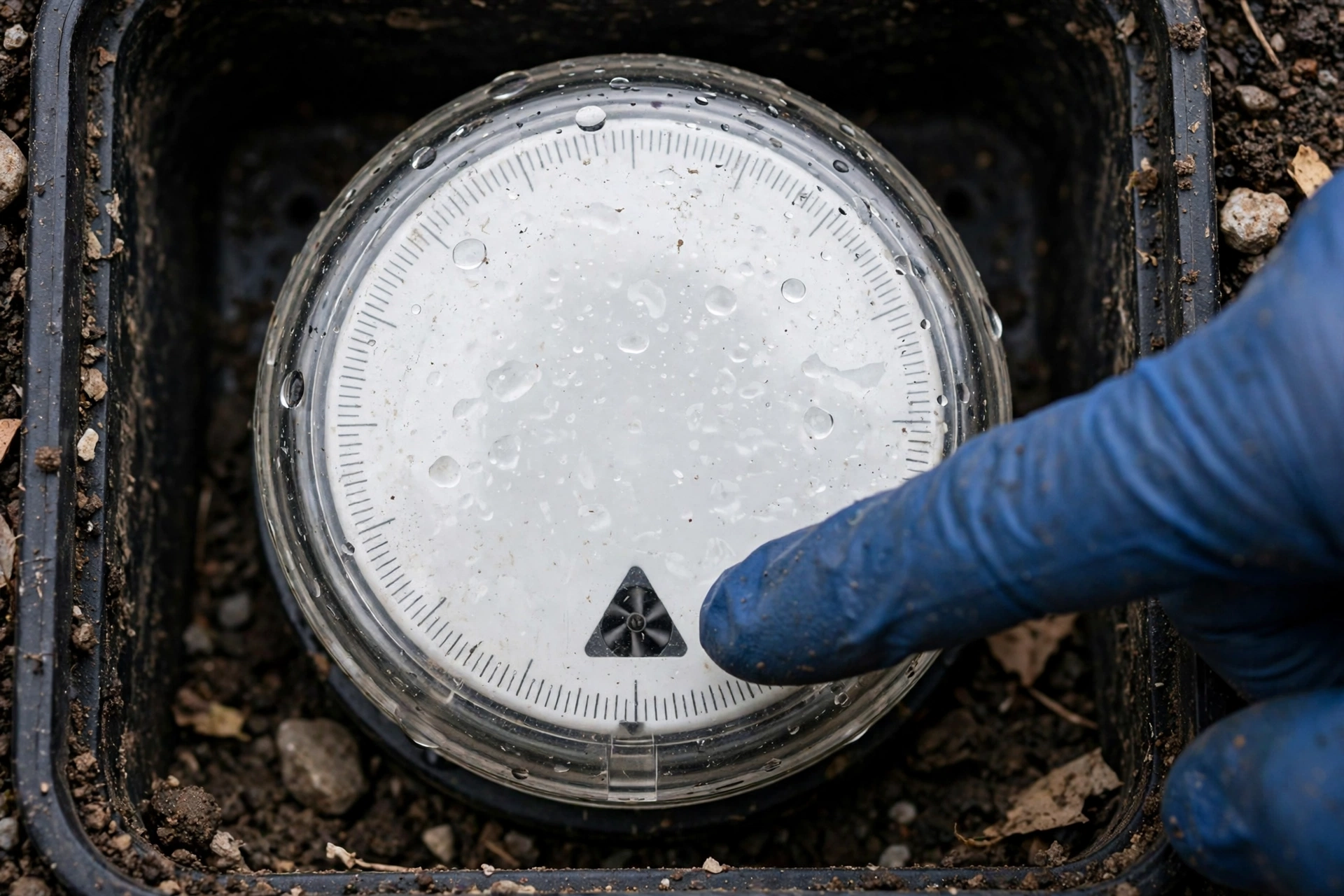
The small triangle is the whole test
Turn off every tap, toilet, appliance and irrigation zone, then watch the triangular flow indicator on the meter dial for 20 minutes. If it moves with everything off, water is flowing somewhere it should not be, and you have a leak. If it is dead still, no water is flowing right now. The full step by step test, including the house shut-off valve check that tells an inside leak from a yard-line leak, is in our TMWA meter test guide.
If the short test shows nothing but the bill is still high, try the longer version: read the meter before bed, use no water overnight, and read it again in the morning. The EPA recommends a 2-hour no-use test for slow leaks the short test can miss.
What we do when your bill jumps
Four steps, in order, on every high-bill visit. No digging until we know where to dig.
Confirm it at the meter
We re-run the meter check ourselves and note the flow rate, so we know how big the leak is before we start. Bring your last two TMWA bills and any readings you took.
Narrow it down
The house shut-off valve test tells us inside or yard line. Shutting off the toilets one at a time rules out the flappers, the most common indoor leak. Each check cuts the search area before any equipment comes out.
Listen and scan
Acoustic listening picks up the sound of water escaping a pressurized line, even under a slab. Thermal imaging shows warm or cool spots where a line runs. Together they point at one spot, not a whole room.
Mark it and report it
We mark the location and give you a written report with the location and the readings, so a repair can go straight to it. Emergency service available. Open 8 AM - 8 PM.
High water bill questions we hear every week
Straight answers about sudden bill jumps, the TMWA numbers, and what happens when we come out.
Why is my water bill suddenly so high in Sparks?
The most likely cause is a hidden leak, not a billing error. A leak runs day and night, so even a small one adds thousands of gallons before the bill arrives. TMWA puts winter indoor use at about 6,000 gallons a month for a family of four, so a bill far above that points to a leak. Other causes are real too: a new irrigation schedule, a running toilet, or a pool autofill stuck open. The 20-minute meter test in our TMWA meter test guide sorts leak from usage in one check. If the meter moves with everything off, you have a leak, and that is when to call us.
How much water should a family of four use in a month?
About 6,000 gallons a month indoors in winter, according to TMWA. That is the benchmark for a family of four with no irrigation running. The EPA points to more than 12,000 gallons a month in winter as a sign of a serious leak, because irrigation is off or minimal then. Summer numbers run higher because of irrigation, so compare winter bills with winter bills. If your winter use is double the benchmark with no new people or habits, run the meter test before you pay the next bill.
How do I check if my toilet is causing the high bill?
Put a few drops of food coloring in the toilet tank and wait 15 to 30 minutes without flushing. If color shows up in the bowl, the flapper is leaking water from the tank into the bowl around the clock. TMWA calls the flapper the most common indoor leak, and about 20 percent of toilets leak slightly. A toilet leaking 1 gallon every 5 minutes adds more than 8,500 gallons a month, according to TMWA, which alone can double a family bill. Check every toilet one at a time, and check the meter again after each one. If the meter stops after a toilet is shut off, you found it.
Is my high bill from irrigation or a leak?
In winter it is almost certainly not irrigation, because irrigation is off or minimal and TMWA's winter benchmark is about 6,000 gallons a month indoors for a family of four. In summer, turn the irrigation off for a day and run the meter test. If the meter still moves with the sprinklers off, the leak is not the irrigation. Also check the irrigation valve and the backflow device for a slow weep, and look for one zone that stays green while the rest dries out. A valve that never fully closes can run all night and never show a puddle.
Can a leak run for months without any wet spot?
Yes. TMWA documented a yard-line leak running 800,000 to 900,000 gallons in a month, about 20 gallons a minute, for four months, and it never surfaced. The bill would have passed $10,000. In Sparks, dry soil and deep lines can carry leaked water away underground for months. Another TMWA case registered 300,000 gallons a month against a 6,000-gallon average, with the leak under a deck and no visible puddles. No wet spot, no sound, and no stain does not mean no leak. Only the meter can rule one out.
What do you do when you come out for a high bill?
We start at the meter, then narrow the leak down before we touch a wall or a yard. We confirm the flow with a meter check, listen with acoustic equipment, and scan with thermal imaging. Then we mark the spot and give you a written report with the location, so a repair can go straight to it. Bring your last two TMWA bills and any meter readings you took. If the meter test already shows a leak, tell us which way the house shut-off valve test pointed, inside or yard line, and we start there.
When the bill says there is a leak
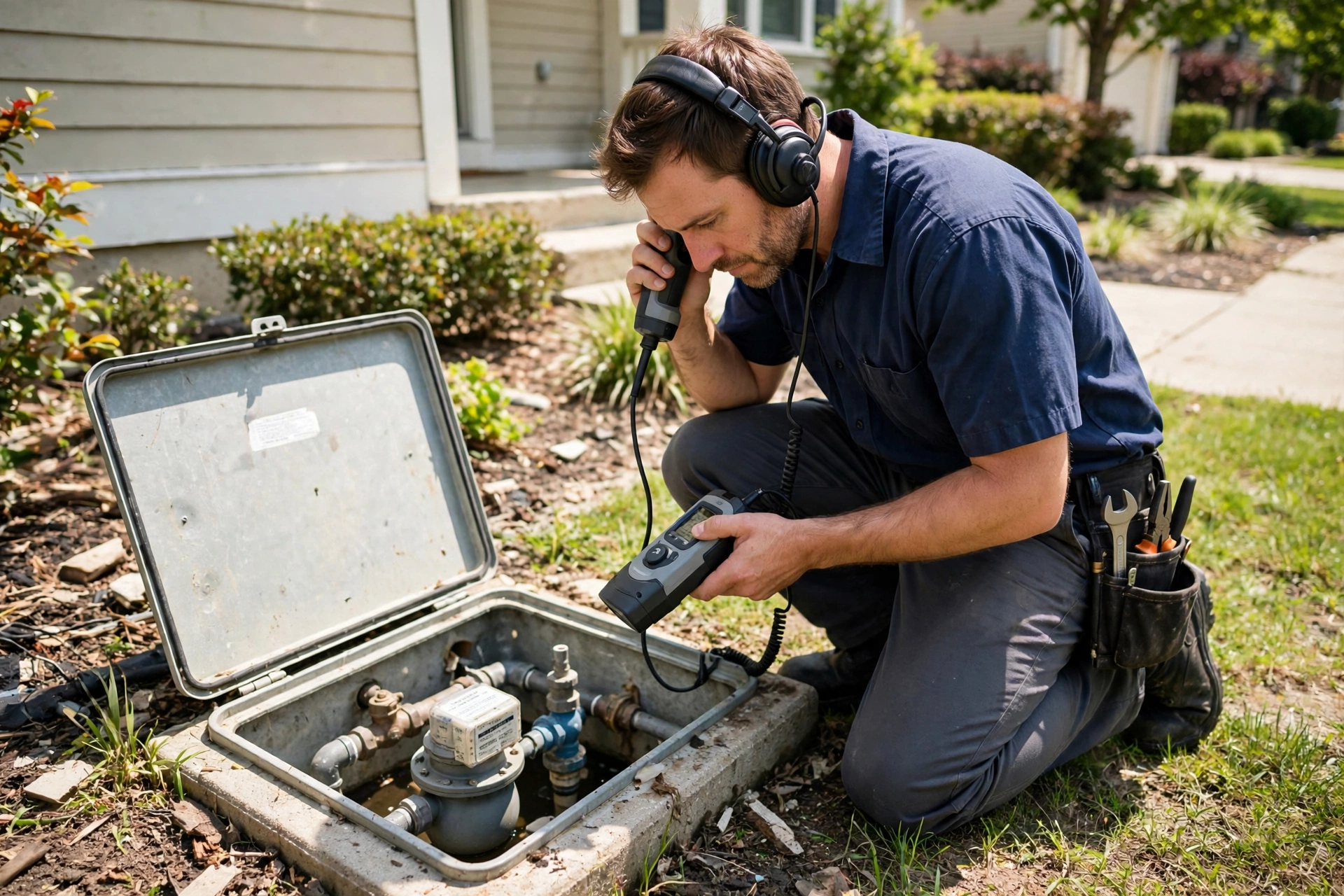
Water Leak Detection
When the meter says water is flowing but you cannot see where, our water leak detection service tracks it behind walls, under sinks, and in ceilings with acoustic listening and thermal imaging.
Learn more →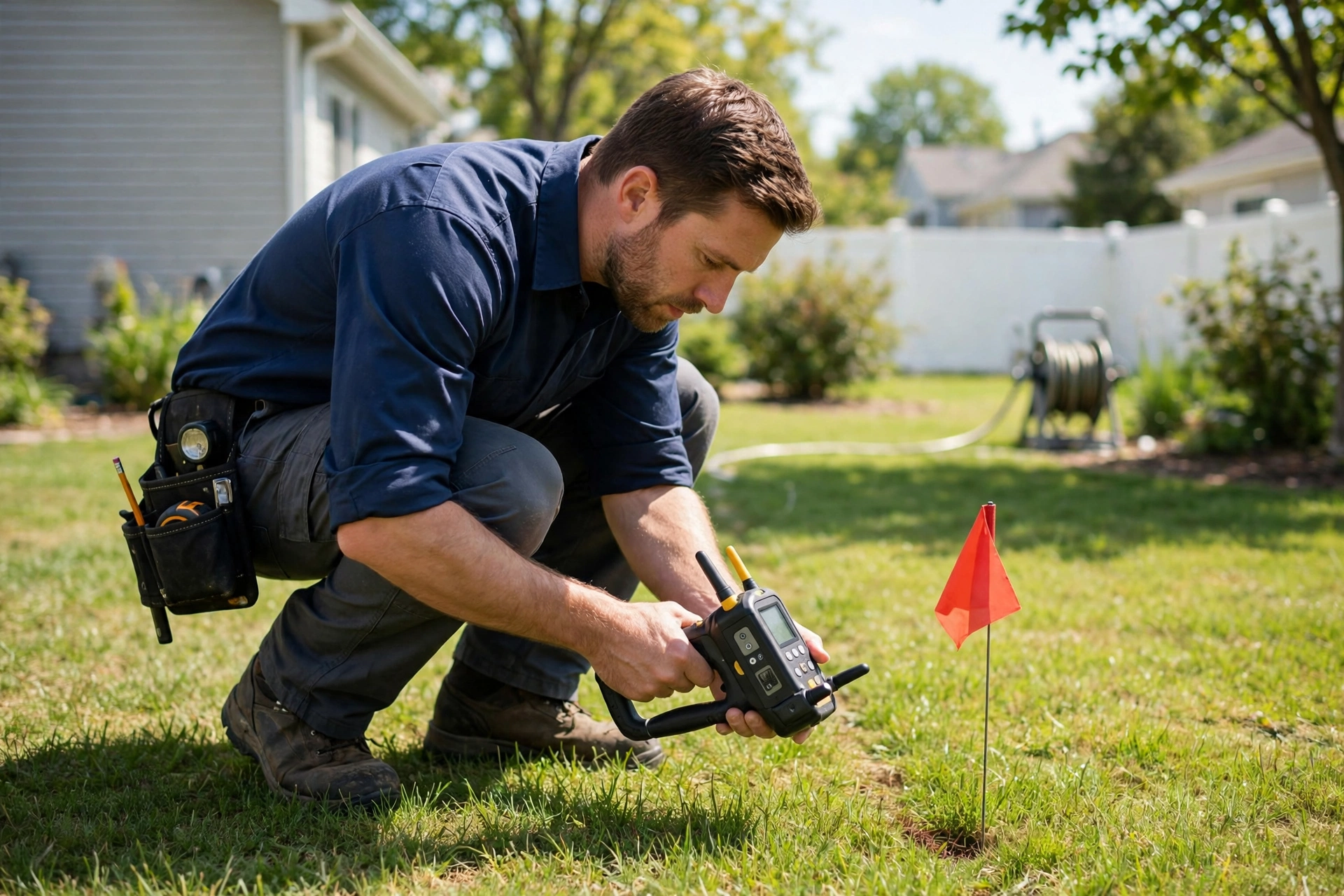
Underground Leak Detection
If the meter keeps moving with the house valve closed, the leak is in the yard line between the meter and the house. Our underground leak detection service covers that run.
Learn more →Areas we serve
Serving Sparks & Surrounding Areas · Based in Sparks, NV. Seven neighborhood areas, matched to the ZIP codes where our service is focused. If your street sits between two areas below, you are still in Sparks. Call and give us your ZIP.
Central Sparks →
Downtown Sparks, Victorian Square, and Greenbrae. Older housing stock, where original plumbing is now at its highest-risk age.
Spanish Springs →
Including Los Altos. Larger lots, longer yard lines.
Wingfield Springs →
Higher and more exposed, the freeze-risk area we watch most closely in December and January.
Kiley Ranch →
Newer master-planned homes, now old enough for first-generation fitting and water heater failures.
D'Andrea →
Including Pioneer Meadows and Stonebrook edges. Hillside lots, where yard leaks can travel before surfacing.
Sparks Marina →
Around the marina and its surrounding streets, in Sparks, NV 89431.
East Sparks →
East Sparks and the Vista Boulevard area, including Stonebrook.
ZIP codes in our core service area
Serving Sparks, NV and Washoe County, in Sparks, NV 89431. We name only the areas we actually serve on this page.
Not sure if we cover your street? Call (775) 505-6540 and give us your ZIP code.
Your bill jumped. Let us find out why before the next one arrives.
Run the meter test, or call us and we will run it for you. We find the leak with acoustic listening and thermal imaging, mark the spot, and give you a written report. Emergency service available. Open 8 AM - 8 PM.